




Hot summer days put your air conditioner under steady pressure. A sudden electrical surge adds another threat that many homeowners overlook. Power spikes send excess voltage into the AC system, affecting sensitive parts such as capacitors, circuit boards, motors, and compressors.
Even one strong surge can cause hidden damage that shows up later as weak cooling or strange noises. Knowing these risks helps homeowners respond quickly and schedule AC repair before a small electrical issue grows into a costly breakdown.
How electrical surges affect your AC
An electrical surge sends a short burst of high voltage into your home. Lightning strikes, utility problems, power outages, and sudden power restoration may trigger these spikes. Your AC unit contains several electrical parts that rely on stable voltage.
A surge may burn wiring, damage control boards, weaken capacitors, or affect the compressor motor. Some damage appears right away. Other problems develop slowly as damaged parts lose their normal performance. Your AC may still run after a surge, but its cooling performance may drop.
Signs of surge-related ac damage
Pay attention to changes after a power spike. An AC that suddenly struggles to cool your rooms may have electrical damage. You may also notice frequent shutdowns, buzzing sounds, burning smells, or unusual startup behavior. A tripped breaker also deserves attention.
The breaker protects your system from electrical problems, so repeated trips may point to damaged components. Ignoring these signs may place extra strain on healthy parts and increase repair costs.
Why quick AC service matters
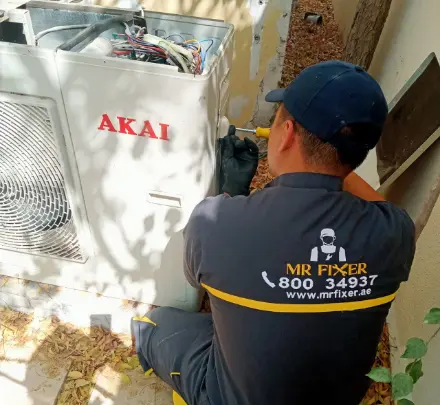
A trained technician checks the electrical system, wiring, capacitors, controls, and other key components after a suspected surge. Professional testing helps identify damaged parts before they cause wider problems.
Fast service also helps protect the compressor. Compressor damage usually leads to a much larger repair bill than replacing a smaller electrical component. Prompt inspection gives your technician a clear view of the system and helps restore reliable cooling.
Protecting your AC from power spikes
A whole-home surge protector offers an extra layer of protection against sudden voltage increases. An HVAC technician can also inspect the AC electrical connections and recommend suitable protection for your system.
Keep your AC serviced at regular intervals as well. Clean components and healthy electrical connections support stable operation during demanding summer conditions. If your system behaves strangely after a power outage or storm, turn it off and arrange a professional inspection.